Transform Your Outdoor Space: The Art of Eco-Friendly Landscaping Dec 08, 2025
Eco-friendly landscaping, also known as sustainable landscaping, involves designing, creating, and maintaining your garden using methods that reduce environmental impact. By making mindful choices in your landscaping design, you conserve resources, protect the ecosystem, and create a healthier outdoor environment for your family.
The first step in eco-friendly landscaping is choosing native plants. These plants are naturally adapted to your local climate and soil conditions, which means they require less water and maintenance compared to non-native species. Native plants also provide habitat and food for local wildlife, enhancing biodiversity. Blue Water Landscape takes immense pride in offering a wide variety of native plants suitable for your landscape design.
Another critical aspect is efficient water management. As water becomes an increasingly precious resource, finding ways to minimize water usage in your landscape is vital. Installing drip irrigation systems is an effective way to ensure your plants receive adequate water without wastage. These systems deliver water directly to the root zone, reducing evaporation and runoff. Furthermore, incorporating rain gardens and rain barrels collects and utilizes rainwater, making your landscape less dependent on municipal water.
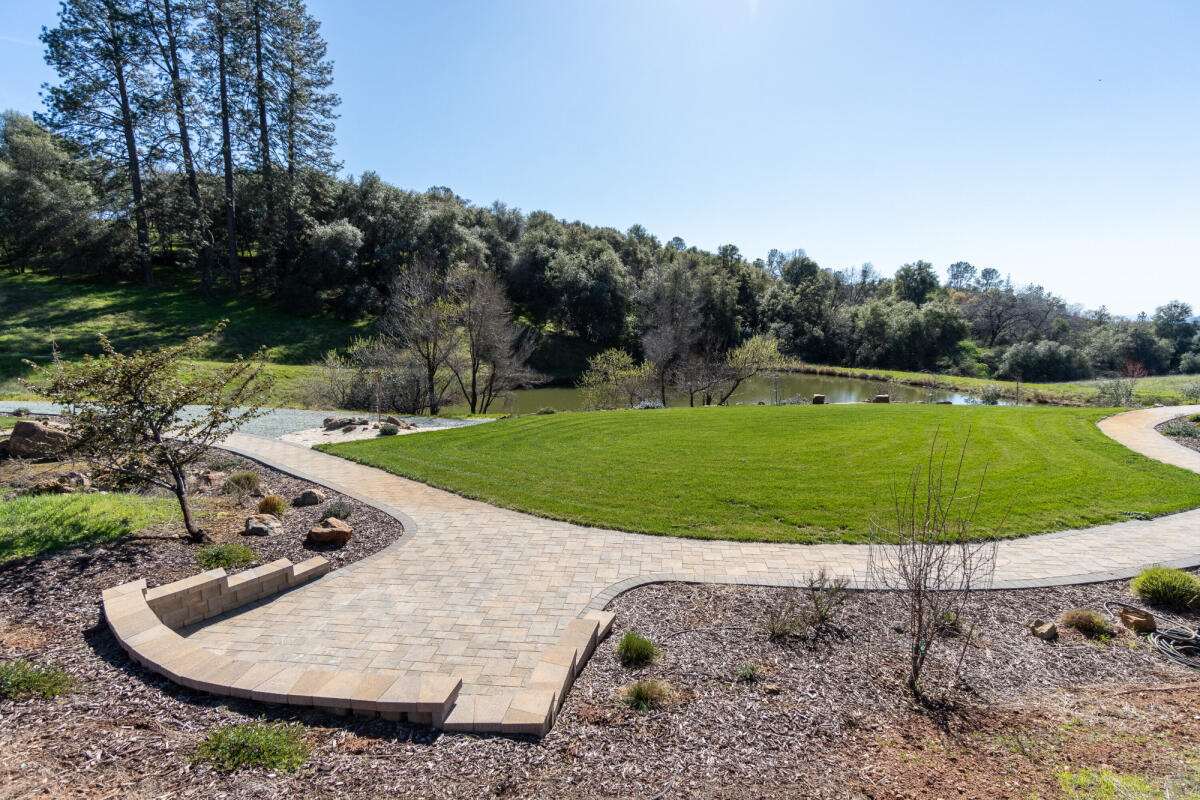
Mulching is a simple yet powerful technique to promote sustainable landscaping. It involves covering soil with organic materials such as bark, leaves, or compost. Mulch conserves moisture, suppresses weeds, and improves soil health as it decomposes, providing nutrients to your plants. Blue Water Landscape recommends using organic mulch for its many benefits and its role in maintaining a healthy garden ecosystem.
The use of sustainable materials in hardscaping is equally important. Opt for materials such as recycled bricks, natural stone, or permeable pavers that allow water percolation, preventing runoff and promoting groundwater recharge. These eco-friendly hardscaping materials not only contribute to the aesthetics of your yard but also support sustainable practices.
Composting is another fundamental practice that supports eco-friendly landscaping. By composting kitchen scraps and garden waste, you reduce landfill contributions and create a rich, organic fertilizer for your plants. Compost enriches the soil, improves structure, and enhances moisture retention, making it a cornerstone of sustainable gardening.
Incorporating energy-efficient lighting in your outdoor space can further reduce your environmental footprint. Solar-powered lights are a great option as they harness renewable energy from the sun, illuminating your garden without increasing your electricity bills.
Before embarking on your eco-friendly landscaping journey, it is crucial to consult with experts like Blue Water Landscape who understand the nuances of sustainable practices and can tailor solutions to fit your specific needs. Their expertise in creating breathtaking, sustainable landscapes will ensure that your outdoor space is both environmentally responsible and beautifully crafted.
In conclusion, transforming your outdoor space with eco-friendly landscaping is a rewarding endeavor that pays off both environmentally and financially. Not only do you create a serene and beautiful garden, but you also play a role in conserving natural resources and promoting sustainability for future generations. By partnering with Blue Water Landscape, you ensure that your landscaping efforts are effective, sustainable, and enduring.