The Art of Seamless Transitions: Integrating Softscaping with Hardscaping for a Balanced Landscape Apr 22, 2026
Softscaping refers to the living, horticultural components of a landscape, including plants, trees, flowers, and shrubs. It’s the greenery that brings vibrancy and life to your outdoor environment. Hardscaping, on the other hand, involves the non-living elements like patios, pathways, stone walls, and water features. Together, these elements need to speak the same design language to create a cohesive landscape.
The first step to achieving seamless integration is developing a comprehensive landscape design plan. At Blue Water Landscape Services, we emphasize the importance of planning to ensure that the soft and hard elements complement rather than compete with each other. Think about scale, proportion, and balance when choosing plants to accompany your walkways or patios. Larger, robust plants can balance substantial features like stone walls, while smaller, delicate flowers might soften the edges of pathways.
When integrating softscape with hardscape, it’s crucial to consider color and texture as design tools. Contrasting textures can create visual interest and depth. For instance, a smooth stone patio might glow against the dense foliage of a lush green hedge. Similarly, the bright colors of seasonal flowers can add pop and dynamism against the neutral tones of hardscape materials. Our experts at Blue Water Landscape Services are adept at selecting plants and materials that naturally highlight these varying textures and colors, resulting in a harmonious blend.
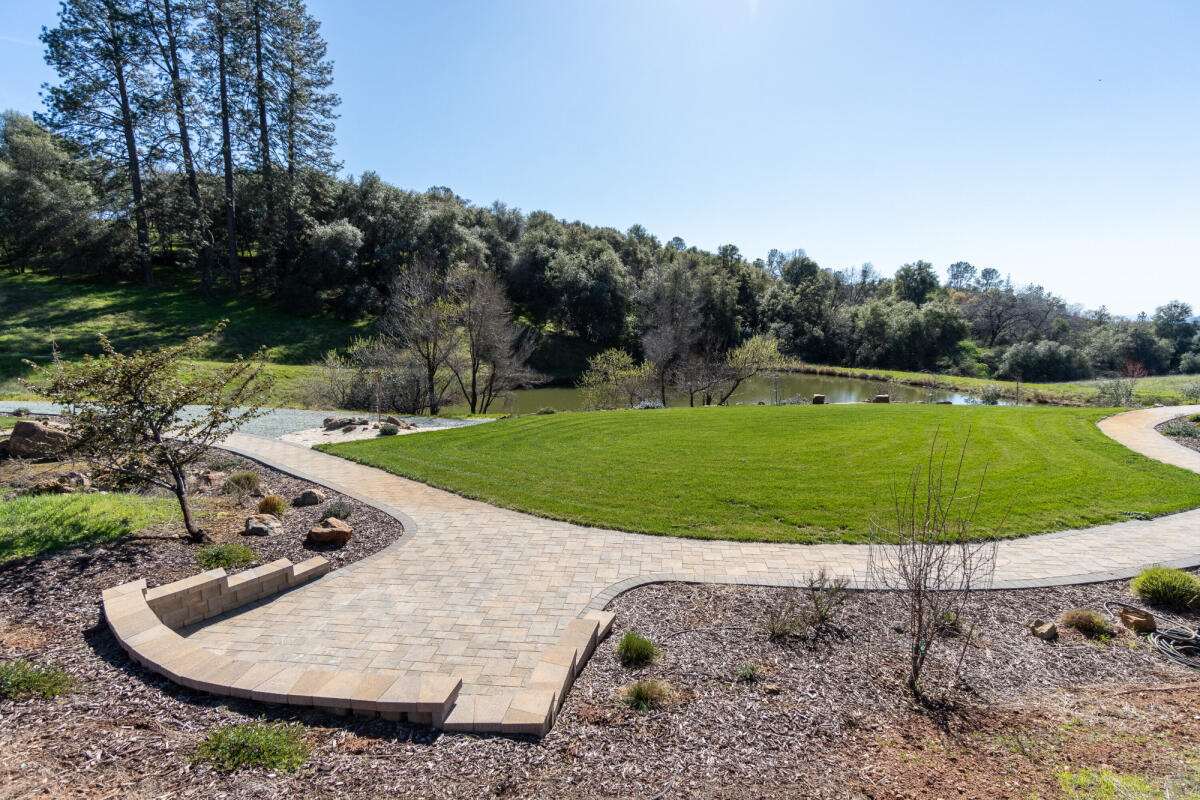
Moreover, the transition between areas is something that should be done seamlessly. Consider using transitional zones where the hardscape gradually gives way to softscape elements. This can be achieved through the use of shrubs or ornamental grasses that act as a natural buffer between patios and lawns. Creating curved pathways rather than straight ones also naturally guides the eye and integrates different zones more fluidly.
Functionality plays a vital role in integrated landscaping. Hardscaping structures are not just aesthetic but serve functional purposes—retaining walls might be necessary for uneven terrain, while patios and decks offer practical living space. Choosing plants that thrive around these structures without causing damage is crucial. For example, deeply rooted plants should be placed safely away from underground utilities or brickwork to avoid structural damage.
Finally, regular maintenance ensures that both hardscape and softscape elements continue to complement each other. Routine care, such as pruning, watering, and cleaning, will keep your landscape thriving and visually appealing over time. Our landscaping experts are always on hand to provide guidance and services to maintain your beautiful outdoor space.
In conclusion, integrating softscaping with hardscaping is akin to composing a symphony in your backyard. Each element, whether living or inanimate, should contribute to the overall harmony of the landscape. At Blue Water Landscape Services, we believe in crafting environments where nature and structure coexist beautifully, turning your yard into an inviting and balanced haven. Let us guide you through the intricate art of achieving perfect transitions in your landscape.