Sustainable Landscaping: Eco-Friendly Solutions for a Greener Tomorrow Dec 15, 2025
Starting with the basics, sustainable landscaping involves using techniques that conserve resources, reduce waste, and promote environmental health. This approach not only reduces your ecological footprint but also enhances the natural beauty and resilience of your landscape. Whether you're looking to establish a new garden or revamp an existing one, integrating eco-friendly practices can transform your outdoor area into a sustainable haven.
A significant aspect of sustainable landscaping is water conservation. By installing a rainwater harvesting system, you can collect and store rainwater for irrigating your garden. Drip irrigation systems are another effective method, as they deliver water directly to the roots, minimizing evaporation and runoff. Choosing drought-tolerant plants, also known as xeriscaping, is an excellent way to minimize water use while creating a lush and vibrant garden. Native plants are particularly beneficial, as they require less water and care, while also supporting local wildlife.
Soil health is another critical component of sustainable landscaping. Healthy soil not only provides essential nutrients to plants but also acts as a powerful carbon sink, helping mitigate climate change. Practices such as composting can improve soil structure, fertility, and moisture retention. Adding organic matter, like compost or mulch, to your garden beds is an easy way to enhance soil health while reducing the need for chemical fertilizers and pesticides.
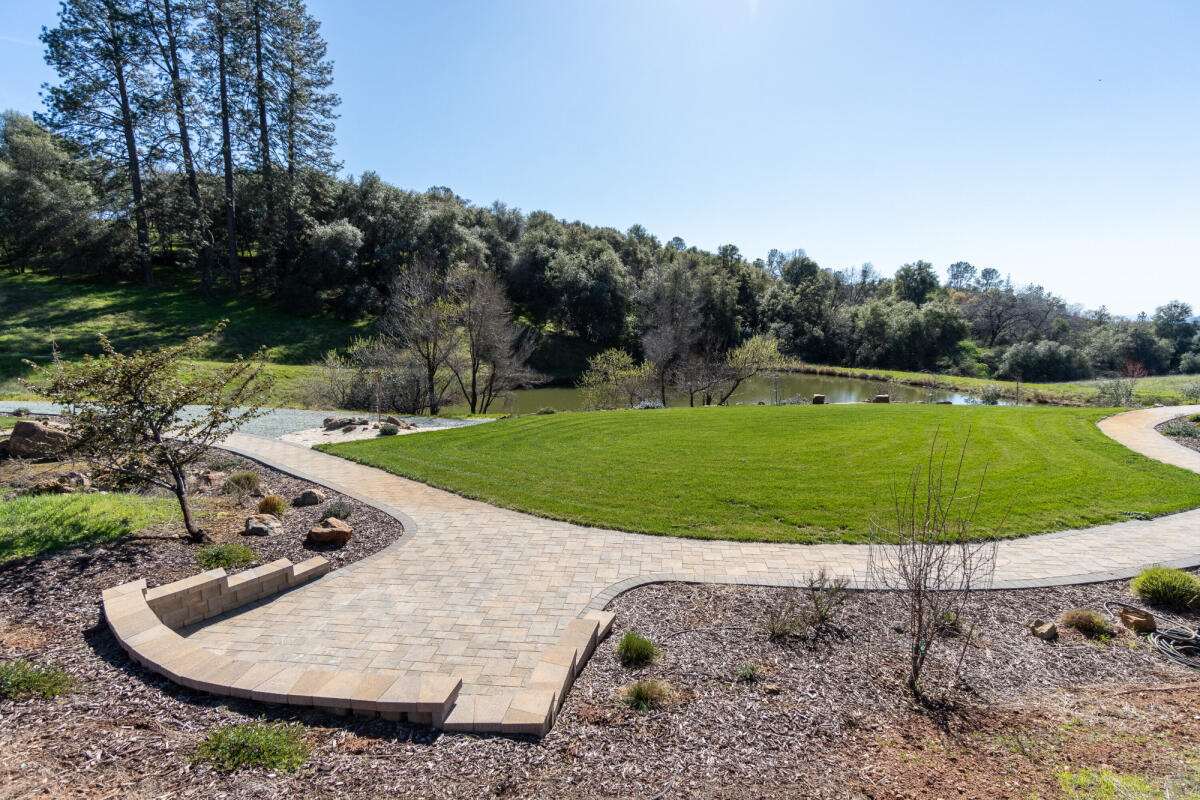
Incorporating hardscaping elements, like permeable pavers or stone pathways, can add functionality and aesthetics to your landscape without sacrificing sustainability. These materials allow rainwater to infiltrate the ground, reducing runoff and erosion. Additionally, using recycled or locally sourced materials for hardscaping projects minimizes environmental impact and supports the local economy.
Creating habitats for beneficial wildlife is another important aspect of eco-friendly landscaping. By planting a variety of native flowering plants, shrubs, and trees, you can attract pollinators such as bees, butterflies, and birds. Installing birdhouses or bat boxes can further encourage these creatures to take up residence in your garden, enhancing biodiversity and contributing to a balanced ecosystem.
Maintenance practices also play a vital role in sustainable landscaping. Opt for manual tools over gas-powered equipment to reduce emissions and noise pollution. Implementing natural lawn care techniques, such as mowing at a higher height, can promote healthy grass growth and outcompete weeds. Regular mulching helps retain soil moisture and suppress weeds, reducing the need for chemical herbicides.
By adopting sustainable landscaping practices, you can create an outdoor space that not only reflects your personal style but also aligns with environmental stewardship. At Blue Water Landscape, we are committed to helping you achieve a sustainable garden that benefits both you and the planet. With mindful planning and thoughtful execution, your landscape can become a thriving ecosystem that supports a greener tomorrow.
In conclusion, the choices we make in our gardens today can have lasting impacts on our environment. By embracing sustainable landscaping techniques, you can enjoy a beautiful, functional outdoor space while contributing to ecological health. Whether you are a seasoned gardener or a newcomer to eco-friendly practices, let Blue Water Landscape be your partner in building a sustainable outdoor haven.