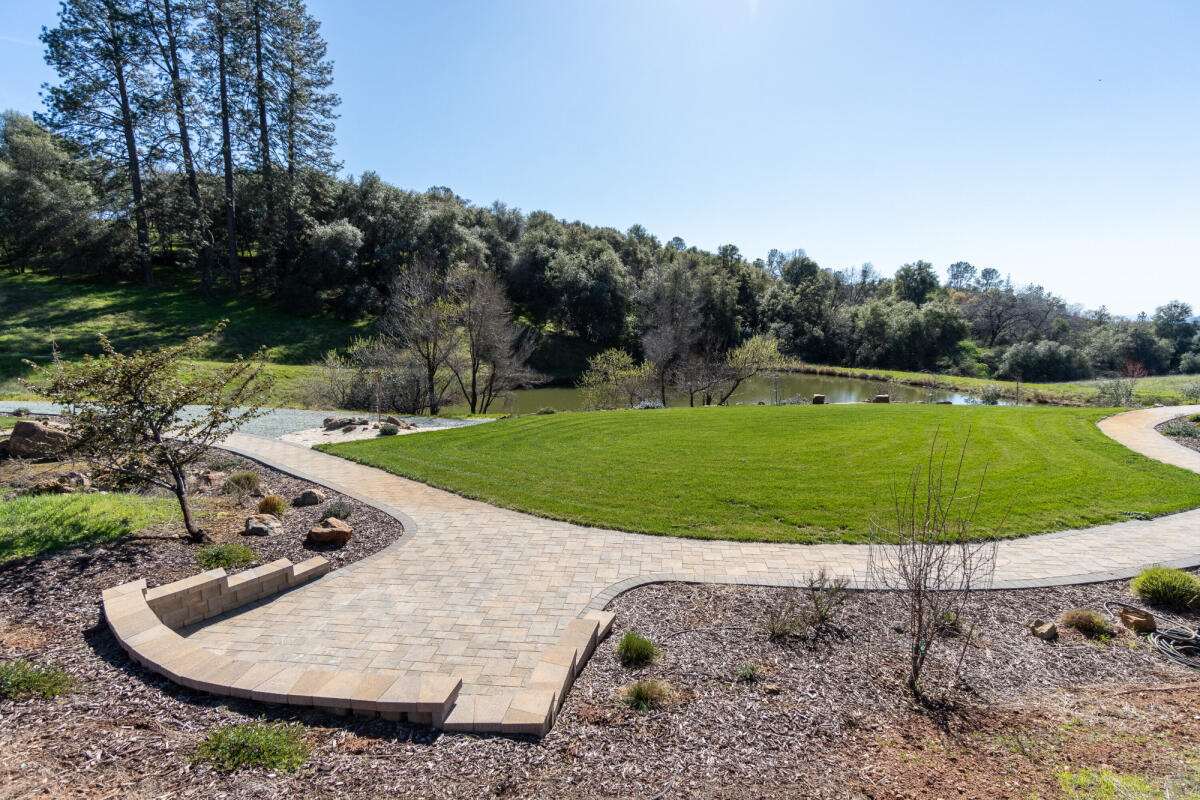
Creating Lush Landscapes: How to Incorporate Native Plants into Your Design Apr 18, 2026
Start by understanding the benefits of native plants in landscape design. Native plants are species that have naturally evolved to thrive in your region's climate and soil conditions. This means they require less water, fertilizers, and pesticides, making them an eco-friendly choice. By choosing native plants, you create a natural habitat for local wildlife, including essential pollinators like bees and butterflies, which can enhance the beauty and health of your garden.
The first step in incorporating native plants is research. Identify what native plants are best suited for your area. Local gardening centers, extension services, or organizations focused on native horticulture can be invaluable resources. Once you have a list, consider the various microenvironments within your landscape, such as shaded areas, sunny spots, or spaces with varying drainage. Different native plants will thrive in different conditions, so selecting plants based on your landscape’s specific characteristics is crucial.
When planning your design, focus on diversification. Aim to include a mix of trees, shrubs, perennials, and ground covers. This not only enhances visual interest but also supports a wider array of wildlife and creates a more resilient landscape. For instance, in a sunny section of your garden, consider combining wildflowers like black-eyed susans and purple coneflowers with grasses such as little bluestem. This combination not only looks beautiful but also plays a part in soil stabilization and water retention.
Another key factor in successful landscape design with native plants is understanding their growth patterns. When you plant according to the mature size and spread of each species, your landscape will require less long-term maintenance. This thoughtful planning avoids overcrowding and ensures that your garden will maintain its intended look as plants mature. Moreover, by spacing plants appropriately, you reduce competition for resources, allowing each species to flourish.
Incorporating native plants into existing designs can be achieved gradually. Start by selecting a few strategic areas for initial plantings. Over time, you can expand your use of native species as you see the benefits firsthand. This incremental approach allows you to blend new plantings with existing non-native ones until you're ready for a more significant change.
To conclude, creating a lush, vibrant landscape with native plants is a rewarding project that offers numerous ecological benefits. Not only do native plants enrich the aesthetics of your outdoor space, but they also contribute to environmental sustainability. At Blue Water Landscape Services, we encourage you to embrace the beauty and utility of native plants in your landscape design. Whether you're a seasoned gardener or a beginner, integrating native species into your landscaping can transform your garden into a thriving, resilient haven that is both beautiful and sustainable. Let us help you begin this journey of creating a landscape that respects and enhances the natural beauty of your region.