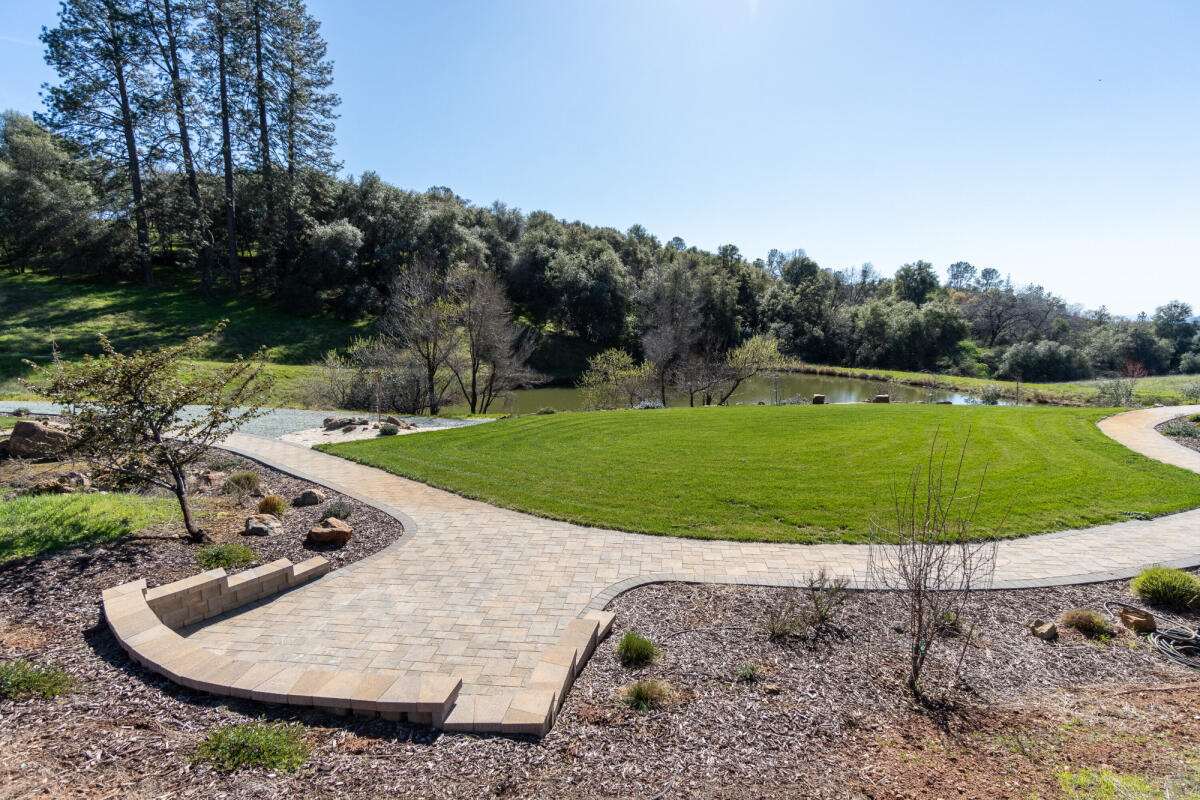
Creating Harmony: Integrating Native Plants into Your Hardscape Design Apr 26, 2026
Starting with the benefits of native plants, these plant species are naturally adapted to local climate conditions, making them a sustainable choice that requires less watering, fertilizing, and care. Moreover, they play a crucial role in supporting local biodiversity by providing habitat and food for native wildlife. By integrating native plants into your hardscape, you can reduce maintenance efforts while fostering an ecosystem in your own backyard.
When planning a hardscape design that incorporates native plants, consider the balance between hardscape features and soft landscaping elements. Hardscaping can include pathways, patios, retaining walls, and other permanent architectural elements. The key is to use native plants to soften the hard edges and create a more inviting, natural look. This harmony can enhance the aesthetic appeal of your garden, offering a peaceful retreat that is visually integrated with its natural surroundings.
Start by assessing your space and identifying the hardscape elements you want to incorporate or have already established. Think about how you can use native plants creatively around walkways and patios. For example, consider using native grasses and low-ground covers for edging pathways. These can soften the transition between the path and the surrounding garden while also reducing soil erosion.
Intersperse native shrubs and flowers among larger hardscape structures. Not only can they add splendid colors and textures, but they also require fewer resources since they thrive with the existing soil and rain conditions. In regions prone to drought, native succulents and cacti can be beautiful, low-maintenance additions that mesh well with hard landscaping.
When choosing native plants, consider their growth habits and mature size, ensuring they won’t overtake the hardscape features. Plan for seasonal changes as well, selecting plants that offer year-round interest. For instance, native evergreens can maintain visual appeal during winter months, while flowering species can attract pollinators in the warmer seasons.
Moreover, be mindful of the ecological benefits your design affords. Native plants can significantly improve water management around your hardscape. By using a variety of species that have different root depths, you can enhance drainage and prevent runoff. This sustainable approach not only benefits the environment but also protects your hardscape from water damage and erosion.
In conclusion, integrating native plants into your hardscape design is not only environmentally friendly but also aesthetically enriching. By choosing native species, you ensure that your landscape is both sustainable and supportive of local wildlife, all while maintaining a beautiful and cohesive outdoor space. At Blue Water Landscape Services, we are dedicated to helping you create a landscape that reflects harmony between structure and nature, enhancing your property’s value and your enjoyment of the outdoors. If you’re ready to transform your space with native plant integration into your hardscape design, our team is here to provide expert guidance and services tailored to your unique vision.